
The PSNERGY Podcast

What Your Furnace Isn't Telling You
Watch Here:

"Running" Doesn't Mean "Running Well"
In thermal processing, the standard objective is simple: achieve target temperature and hold it for a specified time. Because furnaces operate in harsh environments ranging from 1,100°F to 2,000°F, components naturally degrade over time. A furnace can consistently hit its setpoints and appear completely healthy on a standard control panel, yet silently consume 20% to 50% more fuel than required. When burners are severely imbalanced, a few units end up running at 100% capacity to compensate for weak companion burners. The line keeps moving, but excess fuel, elevated carbon emissions, and uneven thermal stress accumulate unnoticed.
Tuning Is Simple—Knowing When and Where Is the Challenge
Mechanically adjusting an industrial burner is not complex; the physical tuning is typically done with a standard screwdriver. The real hurdle is having the diagnostic visibility to know which burner is drifting, when it needs intervention, and how much adjustment is required. Combustion is fundamentally an exact chemical ratio of air and fuel. Without real-time data indicating when that chemistry drifts out of balance, maintenance teams are left guessing, reacting only after product defects emerge or burners fail completely.
The Blind Spot of Zone-Level Controls
Most heavy industrial furnaces monitor and regulate heat at the overall furnace or zone level rather than tracking individual burners. Zone-level controls average out temperatures, masking critical burner-to-burner discrepancies. If one burner runs lean and another runs excessively rich, the zone average may read normally while creating localized hot spots, poor temperature uniformity, and accelerated refractory wear. By monitoring every burner concurrently, operators ensure that tuning one burner does not inadvertently disrupt the balance of the rest.
Catching Slow Drifts Before Big Failures
Equipment degradation rarely happens overnight; it shows up as slow, subtle operational drift. A gradual drop in burner combustion air pressure, for example, often signals an early issue with an air fan or pressure regulator. Without continuous real-time monitoring and alerting, these microscopic performance trends remain hidden until they trigger an emission violation, ruined scrap product, or unplanned line shutdowns. Real-time alerts turn potential emergencies into quick, scheduled maintenance adjustments.
Why "Small Data" Outperforms Big Data in Manufacturing
High-efficiency operations depend on focused "small data"—actionable, burner-level insights that directly inform daily operations. Because institutional combustion expertise is declining across the manufacturing industry through workforce attrition, data-driven alerting bridges the knowledge gap. It delivers the exact metrics plant engineers need to optimize energy efficiency, protect equipment longevity, and safeguard business performance.
Schedule a Tech Demo
FAQs About Burner-to-Burner Monitoring
How does burner-level monitoring differ from zone-level control?
Burner-level monitoring measures combustion parameters at each individual burner rather than relying on a single thermocouple per zone. This provides visibility into burner-specific performance variations that zone-level control cannot detect, including differences in air:fuel ratio, firing rate, and mechanical condition across burners within the same zone.
Can a furnace at temperature still be wasting energy?
Yes. A furnace can reach its zone temperature setpoint while individual burners operate inefficiently. Carl Nicolia, PSNERGY President, has noted that inefficient furnaces can use 20 to 50 percent more energy than required while still achieving temperature. PSNERGY's CMA system identifies these hidden inefficiencies by measuring combustion performance at every burner.
How does continuous monitoring help prevent unplanned downtime?
Continuous burner-level data reveals slow-developing trends, such as a gradual decline in combustion air pressure, that indicate mechanical problems forming before they cause failures. PSNERGY's Combustion Monitoring and Alerting system routes configurable alerts to the right team so maintenance can be scheduled proactively rather than reactively.
What parameters does PSNERGY's CMA system monitor?
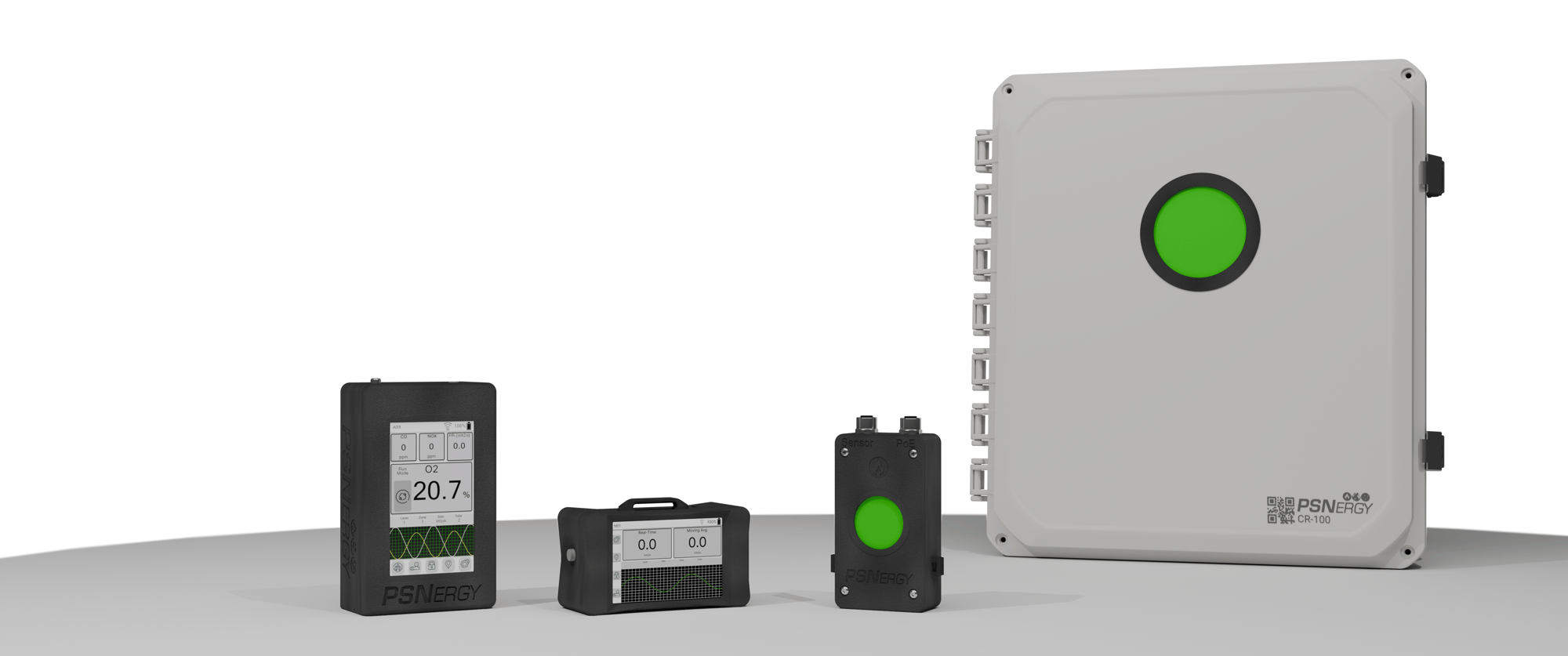
PSNERGY's CMA system monitors excess oxygen, combustion air pressure, gas pressure, air:fuel ratios, and temperatures at the burner level. This data is delivered in real time through the PSNERGY App and other interfaces, giving operators and engineers the information they need to maintain optimal furnace performance.
Want to Watch All Episodes?
